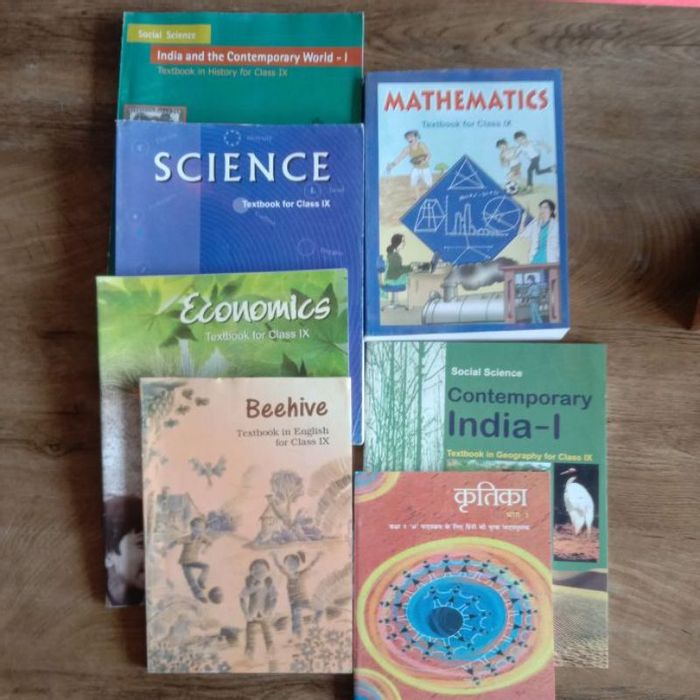
The CBSE curriculum in India is crucial for providing a standardized, high-quality education that emphasizes conceptual learning over rote memorization. It offers a well-structured framework that prepares students for competitive exams like JEE/NEET, promotes holistic development through co-curricular activities, and offers flexibility in subject choices.
Key Aspects of the Importance of CBSE Course Studies:
· Conceptual Understanding: Instead of just memorizing, the curriculum focuses on understanding core principles, which helps in applying knowledge to practical scenarios.
· Competitive Exam Preparation: The CBSE syllabus is highly aligned with national-level entrance exams (JEE, NEET, CUET), providing a strong foundation for students.
· Holistic Development: The curriculum balances academic subjects (languages, science, math) with physical education, arts, and life skills to ensure overall development.
· Flexibility and Variety: Students can choose from a wide range of subjects, including technology and humanities, allowing them to tailor education to their interests.
· National Standard and Mobility: With a standardized curriculum, it is easy for students to transfer between CBSE schools across India and abroad.
· Critical Thinking and Analytical Skills: The curriculum is designed to foster problem-solving skills and intellectual growth, preparing students for future career challenges.
In summary, the CBSE curriculum is designed to be comprehensive, ensuring students are academically proficient, well-rounded individuals, and ready for future academic or professional challenges. The decision of the Principal and Teacher council selection of Books for different classes is final.